
Expert Tips: Implementing Personalized Solutions in Your Business


Understanding the Importance of Personalized Solutions
In today's dynamic market, businesses need to go beyond traditional methods to meet customer expectations. Implementing personalized solutions is a strategic move to enhance customer satisfaction and loyalty. By catering to individual needs, companies can create a more engaging and tailored experience.
Personalization helps in building stronger relationships with customers. It shows that you value their preferences, leading to increased brand loyalty and lifetime value. Moreover, personalized solutions can differentiate your business from competitors, offering a unique selling proposition.
Gathering and Analyzing Customer Data
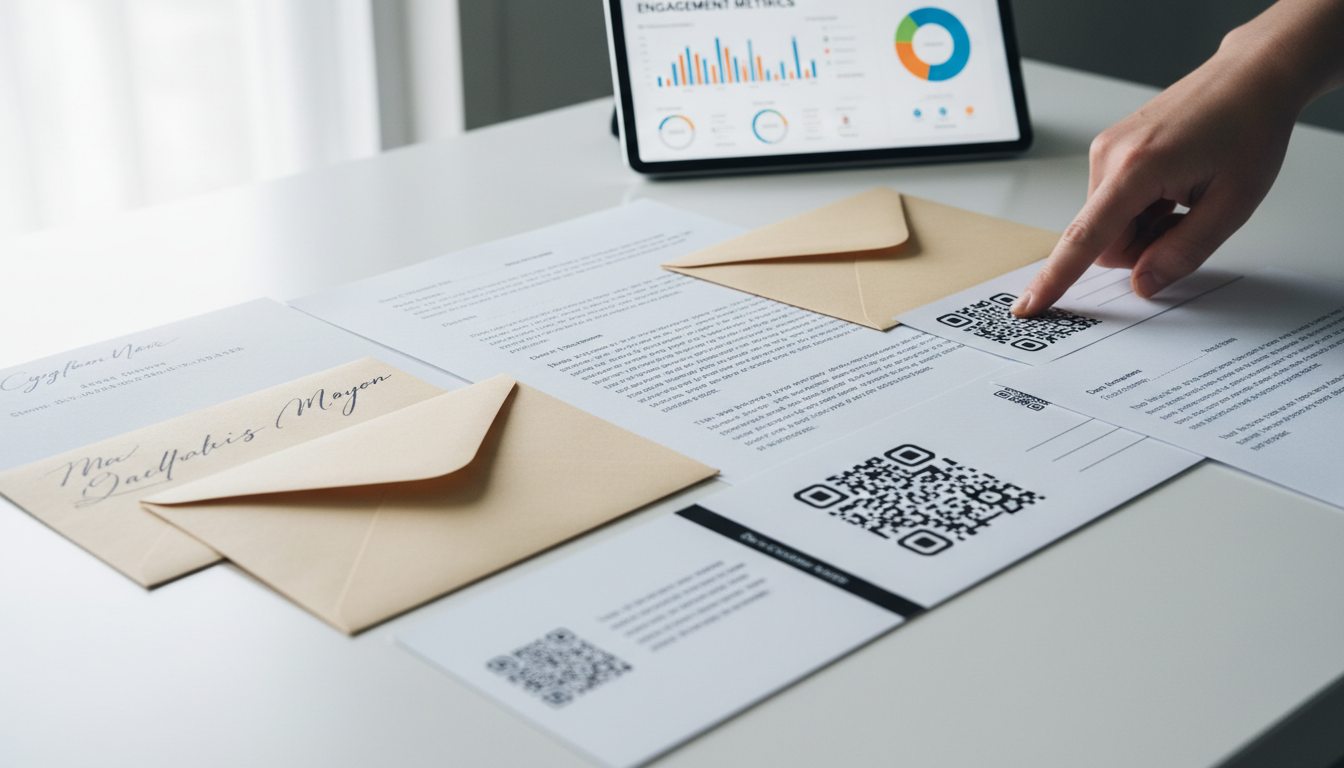
To implement personalized solutions effectively, gathering and analyzing customer data is crucial. Start by collecting data from various touchpoints like social media, website interactions, and purchase history. This information helps in understanding customer behavior and preferences.
Utilize customer relationship management (CRM) tools to organize and analyze this data efficiently. By leveraging these insights, businesses can create targeted marketing campaigns and offer products or services that align with customer needs.
Creating Customized Marketing Strategies
Once you have a clear understanding of your customers, it's time to craft customized marketing strategies. Develop personalized content that resonates with individual interests. This can include personalized emails, recommendations, and targeted advertisements.
Consider segmenting your audience based on demographics, preferences, and purchase history. This segmentation allows for more focused and effective communication. Remember, the key is to make each customer feel valued and understood.

Utilizing Technology for Personalization
Technology plays a vital role in implementing personalized solutions. Use artificial intelligence (AI) and machine learning to predict customer behavior and automate personalized interactions. These technologies can enhance customer experiences by providing real-time, relevant content and recommendations.
Investing in personalization platforms and tools can streamline processes and improve efficiency. These tools can help track customer interactions and preferences, ensuring that your business can adapt and respond to changing needs swiftly.
Measuring the Success of Personalization Efforts
It's essential to measure the impact of your personalization efforts. Use key performance indicators (KPIs) like customer satisfaction scores, conversion rates, and sales growth to evaluate success. Regular analysis of these metrics will provide insights into what's working and what needs improvement.
Continually refining your personalization strategy based on data and feedback will ensure sustained success. By staying flexible and responsive, your business can maintain a competitive edge in the market.

Conclusion
Implementing personalized solutions in your business is not just a trend but a necessity in today's market. By understanding customer needs, leveraging technology, and continuously measuring results, businesses can create meaningful and lasting relationships with their customers.
As you embark on this journey, remember that the goal is to offer value and enhance customer experiences. With the right approach, personalized solutions can transform your business and drive long-term success.