
Seasonal Business Trends in the UAE: What to Expect and How to Prepare


Understanding Seasonal Business Trends in the UAE
The United Arab Emirates (UAE) is known for its vibrant economy and diverse business landscape. However, like any market, it experiences seasonal fluctuations that can significantly impact businesses. Understanding these trends is crucial for companies looking to maximize their profitability and maintain steady growth throughout the year.
Tourism and Retail: Peaks and Troughs
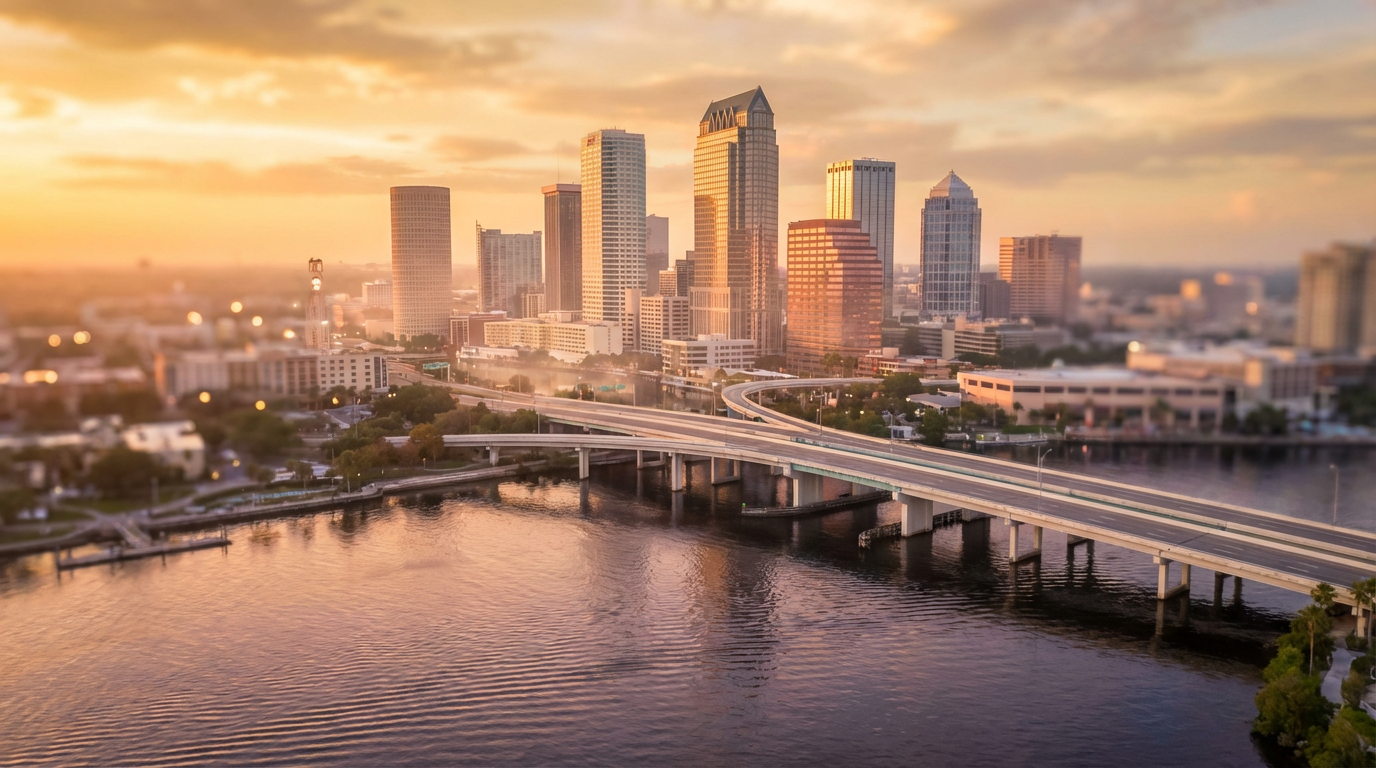
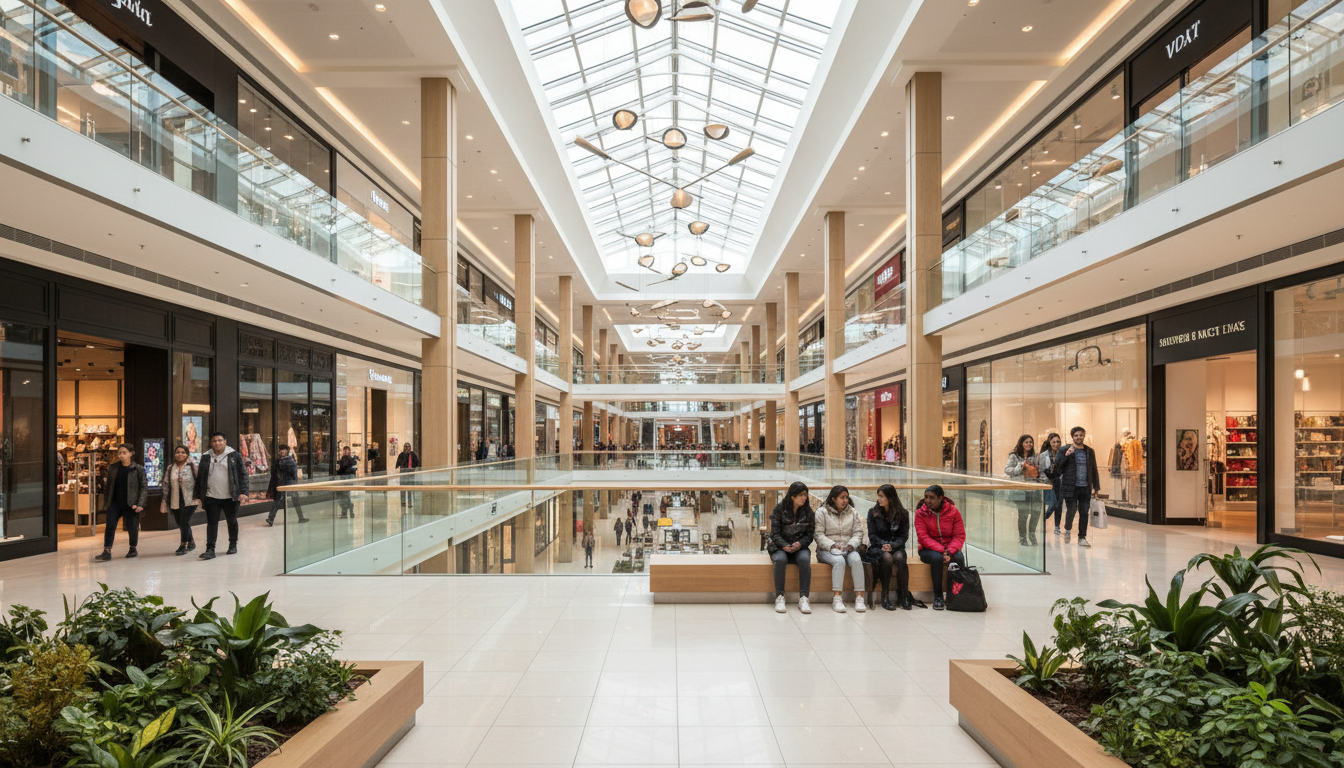
Tourism is a key driver of the UAE's economy, with millions of visitors flocking to the country annually. The peak tourism season typically runs from October to April, when the weather is cooler. During this period, retail businesses often see a significant uptick in sales as tourists indulge in shopping sprees. Conversely, the summer months, with their extreme heat, can lead to a decline in foot traffic and sales.
Retailers can prepare for these fluctuations by stocking up on inventory before the tourist season and offering promotions to attract locals during the quieter months. Additionally, leveraging online sales channels can help mitigate the impact of seasonal slowdowns.
Hospitality Industry: Adapting to Visitor Patterns
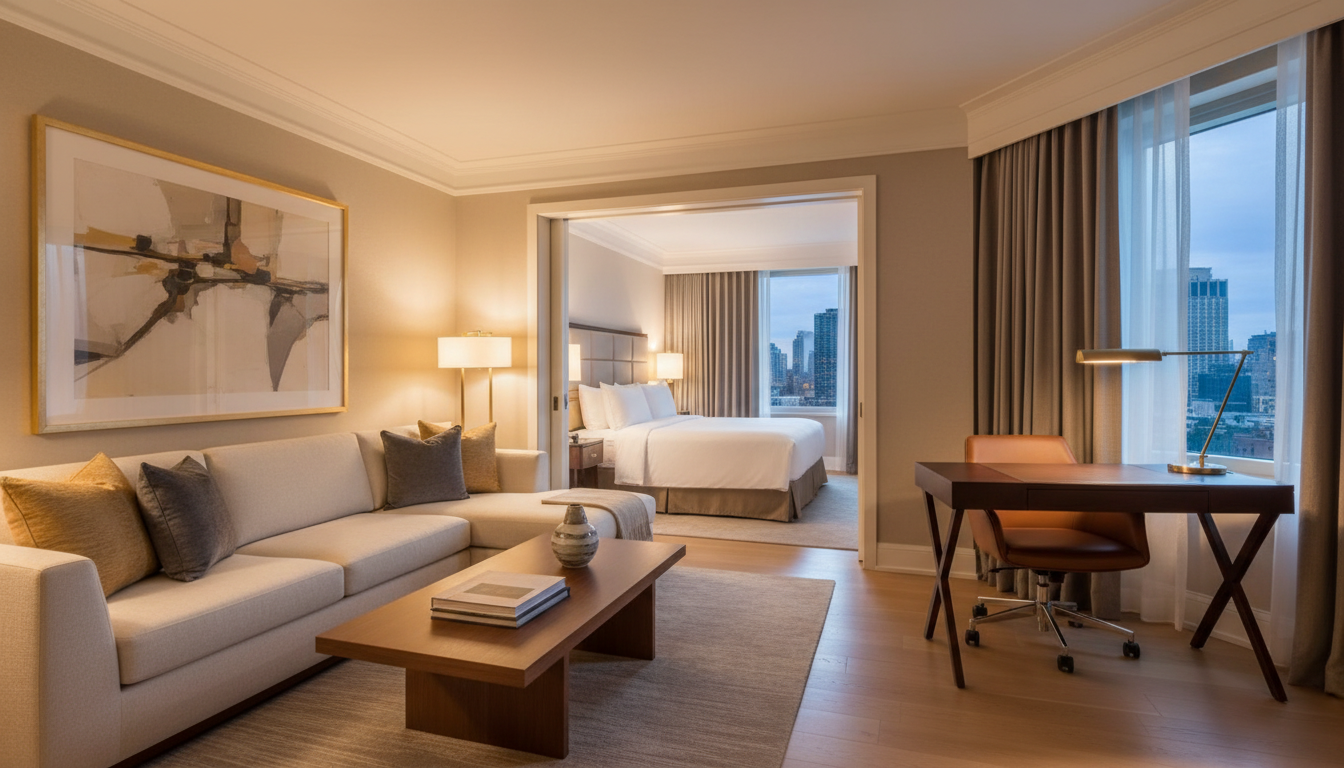
The hospitality sector, including hotels and restaurants, also experiences seasonal variations. The cooler months see higher occupancy rates and increased dining out, while the summer can be challenging. To address this, businesses should focus on creating attractive packages and promotions to entice visitors during off-peak times.
Moreover, collaborating with travel agencies and offering unique experiences can enhance appeal. Investing in sustainability and energy efficiency can also help reduce operational costs during the slower months.
Real Estate: Navigating Market Dynamics
Real estate in the UAE is another sector influenced by seasonal trends. The property market tends to heat up in the winter months due to favorable weather and events like the Dubai Shopping Festival. During these times, demand for both residential and commercial properties increases.
Real estate developers and agents should capitalize on these periods by ramping up marketing efforts and showcasing properties during high-demand times. Offering virtual tours and flexible payment plans can also attract potential buyers year-round.
Events and Entertainment: Capitalizing on Festivities
The UAE hosts numerous events and festivals throughout the year, which play a significant role in driving business. From the Dubai Expo to the Formula 1 Abu Dhabi Grand Prix, these events draw international attention and boost various sectors, including hospitality, retail, and transportation.
Businesses can prepare by aligning their marketing strategies with these events and offering related promotions. Engaging with event organizers and participating in sponsorships can further increase visibility and customer engagement.
Preparing for Seasonal Changes
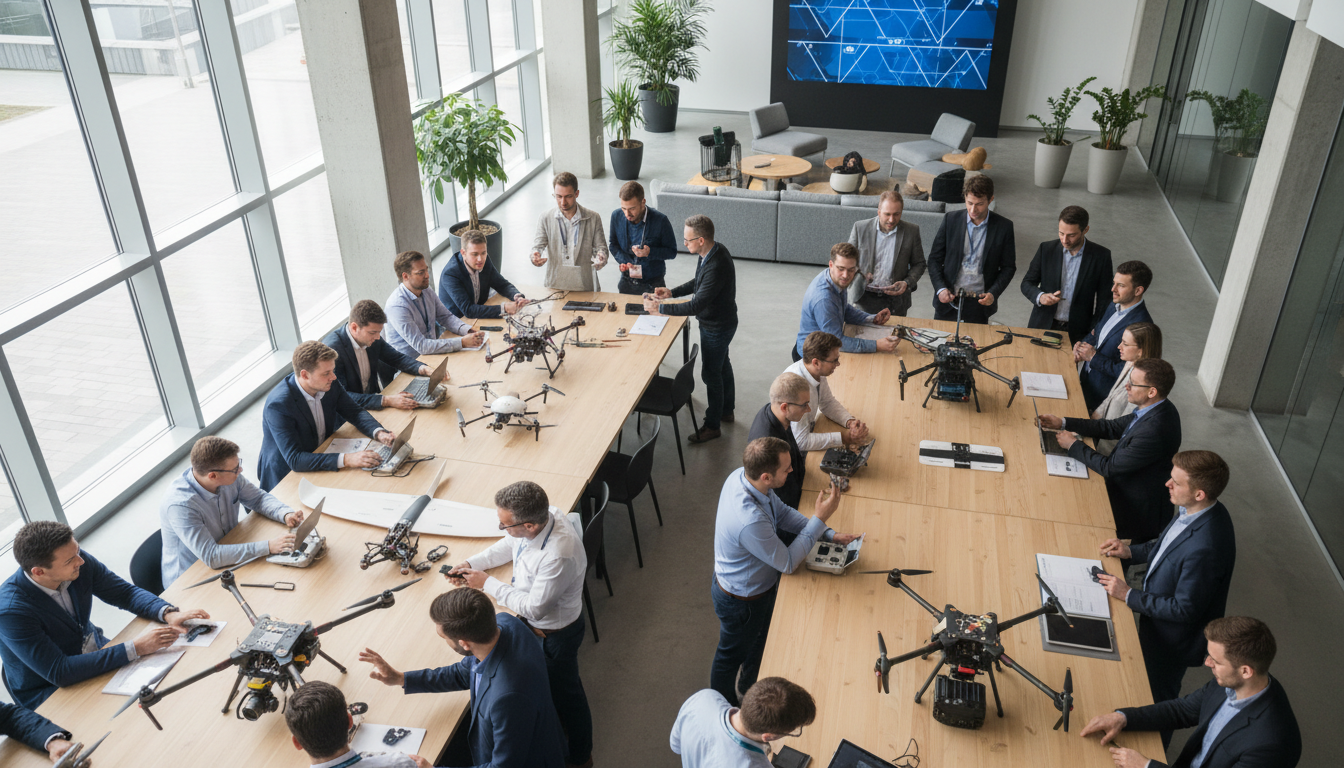
To thrive amidst seasonal business trends, companies in the UAE should adopt a proactive approach. Regular market analysis and forecasting can help anticipate changes and develop effective strategies. Additionally, diversifying product and service offerings can reduce dependence on specific seasons.
Investing in technology and digital transformation is equally important, enabling businesses to reach a wider audience and streamline operations. By staying agile and responsive to market dynamics, businesses can weather seasonal fluctuations and achieve long-term success in the UAE's dynamic market.